Clair Obscur : Expedition 33 disqualifié des Indie Game Awards après une controverse sur l'utilisation de l'IA
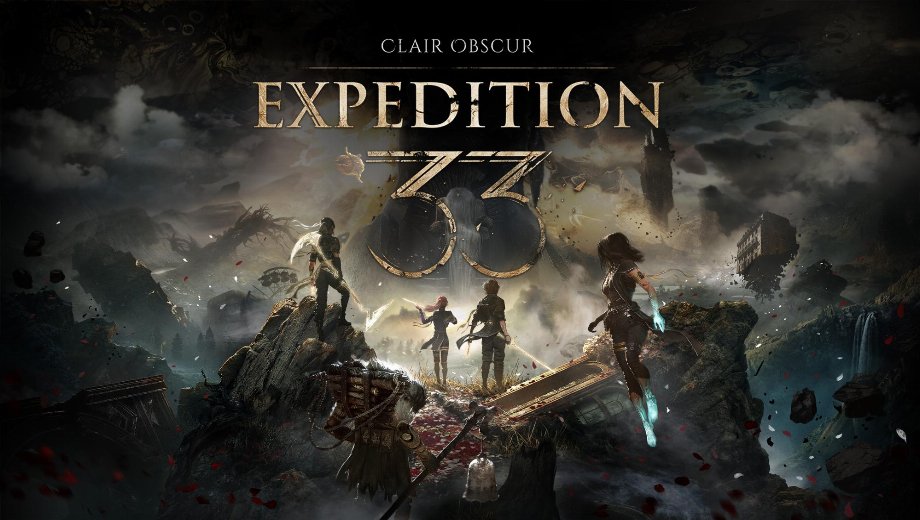
Les Indie Game Awards ont retiré deux récompenses majeures à Clair Obscur : Expédition 33 après avoir jugé que le jeu violait ses politiques en matière d'IA générative. Le jeu de rôle de Sandfall Interactive avait initialement remporté le titre de "Jeu de l'année" et de "Meilleur premier jeu" lors de la cérémonie. L'organisme de remise des prix est revenu sur ces décisions après avoir examiné les détails de la soumission du jeu et l'historique de son développement.
Selon le Kotaku, La controverse a commencé lorsque des preuves ont montré que le studio avait utilisé des outils d'IA générative au cours des premières phases de développement. Les Indie Game Awards appliquent une règle stricte qui disqualifie tout jeu qui s'appuie sur des outils d'IA générative à n'importe quel stade de la production. Cette politique s'applique même si ces éléments n'apparaissent jamais dans la version finale.
Comment la disqualification s'est produite
Sandfall Interactive a d'abord déclaré que le jeu n'utilisait pas d'IA générative. Le studio a ensuite précisé qu'il avait utilisé des textures de remplacement générées par l'IA au début du développement. L'équipe a remplacé ces textures par des éléments créés à la main avant le lancement. Malgré cette explication, le comité de sélection a estimé que l'utilisation initiale ne respectait pas les règles d'éligibilité.
Tel que rapporté par PC Gamer, Le comité s'est fortement concentré sur l'exactitude des informations communiquées. Les organisateurs ont déclaré que les soumissions incorrectes ou incomplètes sapent la confiance dans le processus d'attribution des prix. C'est pourquoi ils ont traité le cas comme une violation, même si le jeu final ne contenait pas d'éléments générés par l'IA.
Réattribution des prix et réaction de la communauté
Après avoir retiré Clair Obscur de la compétition, les Indie Game Awards ont réattribué les catégories concernées. Prince bleu a reçu le prix du jeu de l'année, tandis que Désolé, nous sommes fermés a remporté le prix du meilleur premier jeu. Les organisateurs ont expliqué que l'application systématique des règles protège la crédibilité des prix.
Les réactions de la communauté des joueurs sont restées divisées. Certains développeurs et joueurs soutiennent la décision et affirment que des règles strictes en matière d'IA protègent le travail créatif. D'autres estiment que la sanction est allée trop loin, étant donné que le contenu de l'IA n'a jamais été livré. La discussion soulignée par The Verge montre une inquiétude croissante quant à la manière dont les organismes d'attribution définissent l'utilisation acceptable de l'IA à mesure que les outils de développement évoluent.
L'importance de la controverse
Le retrait des récompenses de Clair Obscur reflète un débat plus large sur l'IA générative dans le développement de jeux. De nombreux studios utilisent déjà des outils d'apprentissage automatique pour le prototypage et les tests internes. À mesure que ces outils se généralisent, les organismes de récompenses sont poussés à définir des limites plus claires.
Cette situation contraste également avec le succès plus large de Clair Obscur. Le jeu continue de recevoir des éloges et une reconnaissance majeure ailleurs, y compris des victoires très médiatisées aux Game Awards 2025. Cette affaire met en évidence le fossé qui se creuse entre le succès commercial, la reconnaissance créative et les critères d'admissibilité aux concours indépendants.
- Secure Software (Virus checked, GDPR-compliant)
- Easy to use: get ready in less than 5 min
- More than 5300+ supported Games
- +1000 Patches every month & Support



![Fishing Inc (+9 Trainer) [Mafioznik]](https://618b31e8.delivery.rocketcdn.me/wp-content/uploads/2026/10/Fishing-Inc-01-464x276.jpg)

![Granblue Fantasy: Relink v1.0-v2.0.x+ (+36 Trainer) [FLiNG]](https://618b31e8.delivery.rocketcdn.me/wp-content/uploads/2024/02/granblue-fantasy-relink-1-464x276.jpg)