La fuite de Resident Evil Requiem oblige Capcom à contrôler les dégâts
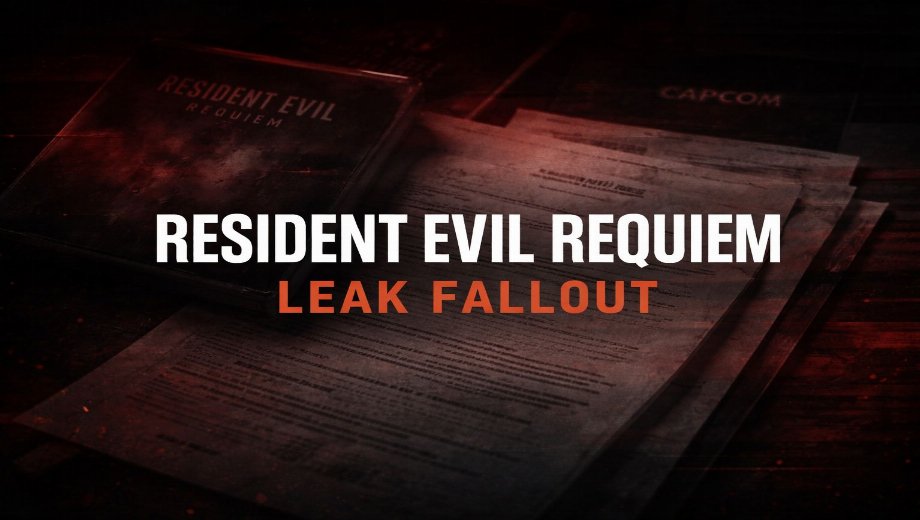
Capcom has entered active damage control after early copies of Resident Evil Requiem surfaced online and triggered widespread spoiler circulation days before launch. Players began sharing full gameplay clips and major story moments across social platforms, disrupting the publisher’s carefully planned rollout. As reported by PC Gamer, Capcom confirmed that physical units were obtained through improper means and urged fans not to repost unauthorized content. The company quickly shifted from promotional messaging to enforcement.
The situation escalated because the leak includes substantial gameplay and narrative spoilers rather than isolated marketing assets. According to coverage from GameSpot, Capcom has already begun issuing takedown notices across major platforms. The publisher’s statement focuses on protecting the player experience, but the timing makes the disruption clear. A controlled launch window now competes with uncontrolled spoiler exposure.
Retail Breakdown, Not Corporate Breach
Reports indicate that the leak stems from early retail distribution rather than a cybersecurity failure. Broken street dates remain a recurring issue for major physical releases, especially when global inventory ships well ahead of launch. Once copies reach consumers even a few days early, full gameplay capture becomes inevitable. In this case, the breach appears logistical, not systemic.
This distinction matters because Capcom faced a far more serious compromise in 2020. A ransomware attack exposed internal development schedules and forced the company to acknowledge projects earlier than planned. The current incident differs in scope and origin. While it disrupts marketing cadence, it does not signal internal infrastructure weakness.
Resident Evil’s History With Leaks
The franchise has encountered premature disclosures before. Insider reports accurately revealed the existence of the Resident Evil 4 remake months prior to Capcom’s official confirmation. Following the 2020 breach, details surrounding Resident Evil Village also surfaced ahead of schedule. However, those cases centered on project confirmation rather than widespread narrative spoilers.
Resident Evil Requiem faces a different challenge because story-heavy content now circulates before launch. Survival horror depends on pacing, tension, and surprise. When major plot points appear online early, they weaken the intended emotional arc. Capcom understands that risk and has moved aggressively to limit further spread.
Projected Launch Window Analysis
Capcom typically reveals major Resident Evil titles six to nine months before release. Resident Evil Village launched in May 2021 after a mid-2020 reveal cycle, while the Resident Evil 4 remake followed a similar showcase-to-launch pattern before its March release. Capcom favors late Q1 or early Q2 windows, aligning releases with fiscal year momentum and global showcase timing.
If Resident Evil Requiem follows this established cadence, the current leak likely occurred close to the final marketing phase rather than early production. That timing suggests the launch window remains imminent rather than distant. Because Capcom rarely shifts release dates in response to retail street-date breaks, the publisher will likely proceed with its planned rollout while tightening spoiler enforcement.
Commercial Momentum Raises the Stakes
The franchise currently operates from a position of strength. According to Capcom’s official investor relations data, Resident Evil has surpassed 150 million units sold worldwide. Recent releases such as Village and the Resident Evil 4 remake delivered strong commercial results and reinforced the brand’s revival. That momentum makes each launch cycle strategically important.
Because Capcom times reveals carefully, early retail leaks interfere with preorder beats, media coverage timing, and community build-up. However, strong brand equity often absorbs short-term disruption. The real test now concerns execution: whether Capcom can contain spoiler spread quickly enough to preserve launch impact. Damage control has begun, and the company’s response will determine how much of its strategy remains intact.


![Block Story (+7 Trainer) [Mafioznik]](https://618b31e8.delivery.rocketcdn.me/wp-content/uploads/2026/10/Block-Story-01-464x276.jpg)

![Star Wars: Galactic Racer v1.0+ (+14 Trainer) [FLiNG]](https://618b31e8.delivery.rocketcdn.me/wp-content/uploads/2026/10/STAR-WARS-Galactic-Racer-01-464x276.jpg)