Valve retira varios juegos de Steam tras recibir informes de malware

Valve has removed several games from Steam after players and security researchers reported potential malware risks. The affected titles triggered antivirus warnings and showed suspicious behavior once installed, prompting Valve to act quickly. The removals underline the growing challenge of keeping an open digital storefront secure while allowing rapid game releases.
Según ha informado PC Gamer, users raised concerns after downloading a handful of lesser-known games that flagged system alerts. Some players noticed unusual background activity, while others reported warnings from antivirus software. Although not every alert confirmed deliberate malicious intent, the volume and consistency of reports led Valve to investigate.
Games Removed From Steam and What Happened
Valve has not published an official, comprehensive list of removed titles, but multiple reports from players and security outlets confirm that several games were taken down following malware concerns. The most notable cases include the following:
PirateFi was a free-to-play survival and crafting game that gained attention for the wrong reasons. Security researchers discovered that versions of the game contained infostealer malware capable of harvesting browser data and account information. Valve removed PirateFi after these findings surfaced, and players who installed the game were advised to run full system scans. The case was detailed by TechCrunch.
Sniper: Phantom’s Resolution Demo, a first-person shooter demo, was also removed after users reported suspicious installer behavior. Analysis suggested the demo attempted to collect sensitive system data, which triggered malware alerts on multiple machines. Valve pulled the demo shortly after the reports gained traction, as covered by TechCrunch.
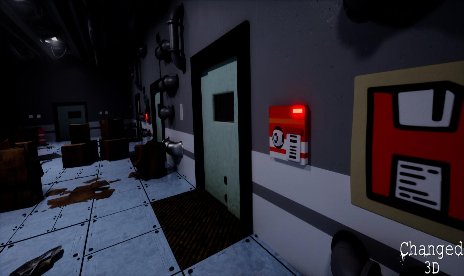
Another high-profile case involved BlockBlasters, a 2D platformer that initially appeared harmless. A later update reportedly introduced malicious code designed to steal cryptocurrency from affected users. Investigations suggested that the malware drained significant amounts of crypto from compromised systems before Valve removed the game. Details about the incident were reported by The Verge.
Chemia, an early-access survival game, was also removed after cybersecurity researchers detected malicious components linked to crypto wallet and browser data theft. Reports indicated that the malware may have been introduced through compromised development files rather than the original game build. Coverage from Gam3s.gg outlines how the breach was discovered.
How These Games Made It Onto Steam
Steam’s publishing model relies heavily on automated checks and post-release reporting rather than deep manual code reviews. This system allows thousands of games to launch each year but also increases reliance on user feedback to catch issues after release. In these cases, community reports and third-party security analysis played a central role in identifying the problem titles.
Security experts point out that malware warnings can sometimes result from poor coding practices or unsafe third-party libraries. However, when multiple users report similar behavior across different systems, platforms like Steam usually treat the issue as a serious risk.
What Valve Has Said and What Players Should Do
Valve has not confirmed whether all removed games contained intentional malware. The company stated that it continues to review affected developer accounts and software builds. Developers may regain access to Steam if they resolve the issues and comply with platform rules.
For players, the situation highlights the importance of caution when downloading new or obscure titles. Running up-to-date antivirus software and checking user feedback can reduce risk. Valve’s rapid removals also show that community reporting remains one of the platform’s most effective safety mechanisms.
As Steam’s catalog continues to grow, incidents like these serve as a reminder that even trusted platforms face ongoing security challenges. Valve’s response helped limit exposure, but the episode reinforces why vigilance matters for both players and storefront operators.




![Gears of War: E-Day v1.0-v20261014+ (+19 Trainer) [FLiNG]](https://618b31e8.delivery.rocketcdn.me/wp-content/uploads/2026/06/Gears-of-War-E-Day-01-464x276.jpg)