La actualización de GTA 6 para PlayStation Store anuncia pedidos inminentes y aumenta la especulación sobre su precio
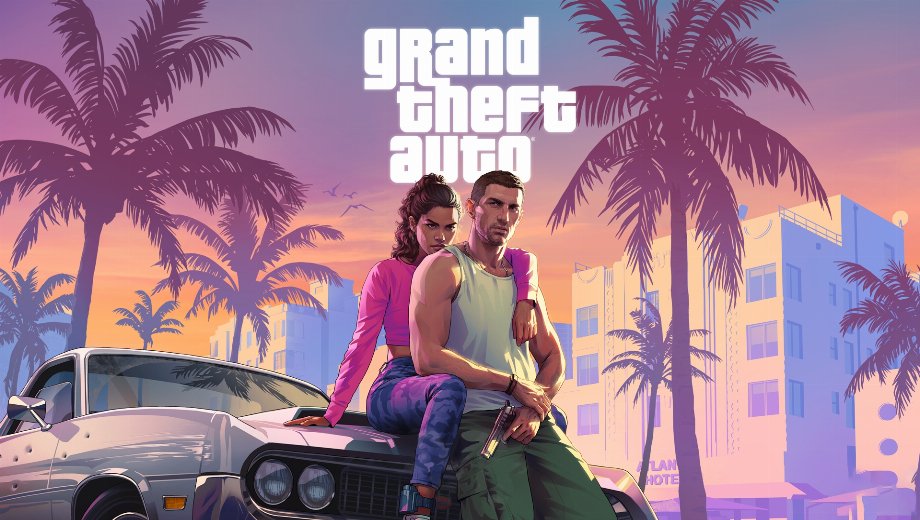
Recent backend changes to the PlayStation Store listing for Grand Theft Auto VI have sparked renewed speculation that preorders may be imminent. Data trackers observed new title IDs associated with GTA 6 appearing in Sony’s internal database, a step that typically occurs shortly before preorder activation. Coverage from PC Gamer y GamesRadar notes that such backend adjustments often precede public pricing and edition reveals. While Rockstar Games has not officially opened preorders, the infrastructure now appears to be entering final preparation stages.
These updates do not guarantee an immediate launch of preorder buttons. However, publishers rarely push complete product IDs into storefront databases without aligning marketing and commerce pipelines. Rockstar traditionally coordinates preorder availability with new trailers or major promotional beats. With the confirmed November 19, 2026 release date approaching, the timing suggests the next marketing wave may be near.
Projected Preorder Price Range
Rockstar has not announced official pricing for GTA 6. However, current AAA launch standards provide a realistic baseline. Most major releases on PlayStation 5 and Xbox Series X|S now launch at $69.99 for the standard edition. Given GTA 6’s scale, development cost, and market positioning, analysts widely expect a standard edition price between $69.99 and $79.99.
Special and collector’s editions could extend far beyond that baseline. GTA V launched with multiple tiers, including collector packages exceeding $149.99 depending on region and bonuses. If Rockstar follows that precedent, GTA 6 deluxe or premium editions could reasonably fall within a $99.99–$159.99 range, depending on physical items, early access perks, or in-game currency bundles. Until Rockstar confirms pricing, these figures remain projections grounded in current AAA market trends rather than official numbers.
How GTA V’s Preorder Rollout Compared
Looking back at Grand Theft Auto V provides useful context. Rockstar opened preorders for GTA V in November 2012, nearly ten months before its September 2013 launch. The preorder campaign followed the game’s first major gameplay trailer and coincided with collector’s edition announcements. Retailers immediately began promoting bonus content tied to early purchases, which drove significant early demand.
That strategy helped GTA V generate record-breaking commercial performance at launch, ultimately surpassing $1 billion in revenue within its first three days. Rockstar historically uses preorder campaigns not just for revenue but as momentum amplifiers. If GTA 6 mirrors that model, preorder activation will likely align with a major trailer or gameplay showcase rather than appearing quietly on storefronts.
Marketing Cadence and Take-Two Strategy
Take-Two Interactive CEO Strauss Zelnick has previously stated that the company prefers to ramp up marketing closer to release rather than beginning long promotional cycles too early. In interviews covered by outlets such as VGC, Zelnick emphasized concentrated marketing bursts designed to maximize impact. That approach contrasts with multi-year drip campaigns common in other franchises.
The recent PlayStation Store update aligns with that philosophy. Infrastructure preparation often precedes concentrated marketing pushes by only a short window. If Rockstar activates preorders in the coming weeks, it would signal that GTA 6 is entering its primary promotional phase rather than lingering in early hype cycles.
Why This Preorder Moment Matters
Few launches carry the commercial weight of a new Grand Theft Auto title. GTA V remains one of the best-selling games of all time, with over 190 million units shipped worldwide according to Take-Two’s latest earnings disclosures. Expectations for GTA 6 extend beyond unit sales into hardware engagement, subscription ecosystems, and digital storefront performance.
Preorder activation represents the first true financial commitment window for consumers. It will confirm pricing tiers, reveal edition structures, and set the tone for the final marketing stretch. The PlayStation Store backend update may seem minor, but historically, such changes mark the transition from anticipation to transaction.



![MechWarrior 5: Mercenaries v1.14.390-v1.15.398 (+18 Trainer) [Void]](https://618b31e8.delivery.rocketcdn.me/wp-content/uploads/2026/08/MechWarrior-5-Mercenaries-01-464x276.jpg)