A Director Says His Team Forgot Which Game Assets Were Made by AI. That’s Not Reassuring.
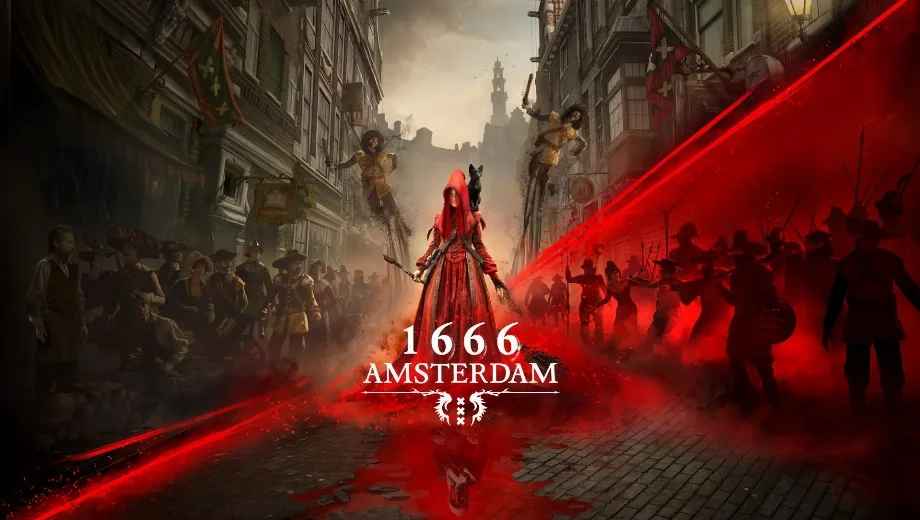
Game: 1666: Amsterdam | Developer: Panache Digital Games | Director: Patrice Désilets | Status: In development, demo available
1666: Amsterdam director Patrice Désilets has admitted his team’s heavy reliance on generative AI left them unable to reliably identify which assets were AI-made. The comment follows a June controversy over AI-generated art found in the game’s public demo.
It suggests the underlying process behind that incident hasn’t fundamentally changed.
What Désilets Actually Said
Désilets explained that the small team used generative AI mainly during early concepting. He valued its ability to quickly produce many variations of an idea, something no team of human illustrators could match in the same timeframe.
Over time, Désilets said, the team grew so accustomed to AI-generated material that it stopped registering as distinct from human work. That familiarity is what he says led directly to AI-generated paintings ending up in the public demo.
How We Got Here: The June Backlash
This isn’t 1666: Amsterdam’s first AI controversy. TheGamer reported in June that players discovered AI-generated in-game portraits shortly after the game’s Summer Game Fest demo went live.
Panache responded at the time by stating it employs more than a dozen professional artists. The studio said only “early versions” of certain assets had accidentally made it into the shipped prologue.
That response drew significant criticism of its own. Aftermath’s Luke Plunkett wrote that Panache’s language framed the AI assets as though they appeared against the team’s will, rather than acknowledging a process issue.
What’s Actually Changed Since Then
Désilets says the flagged AI artworks have been removed and replaced with illustrator-created content. Kotaku’s coverage of the original apology noted Panache made a similar promise back in June, before this latest admission.
He has now promised the final release will use no generative AI at all.
- What’s confirmed: The specific AI paintings found in the June demo have been replaced with human-made art
- What’s promised: Désilets says the shipped game will contain zero generative AI content
- What’s unresolved: His own admission that the team couldn’t distinguish AI from human work raises real questions about how that promise gets verified
Bottom Line
Désilets isn’t denying the problem this time. The promise to strip all generative AI from the final release is more concrete than June’s response.
Still, admitting his team lost track of which assets were AI-made in the first place is a strange thing to present as reassurance. That admission is likely to keep this story alive rather than close it.



![Fishing Inc (+9 Trainer) [Mafioznik]](https://618b31e8.delivery.rocketcdn.me/wp-content/uploads/2026/10/Fishing-Inc-01-464x276.jpg)

![Granblue Fantasy: Relink v1.0-v2.0.x+ (+36 Trainer) [FLiNG]](https://618b31e8.delivery.rocketcdn.me/wp-content/uploads/2024/02/granblue-fantasy-relink-1-464x276.jpg)